

Cardiovascular Vitality — Heart-Healthy Habits Backed by Science
- Source Reference: Adapted from Show Your Heart Some Love: Heart-Healthy Living on the Melaleuca Journal.
- The Science: Maintaining cardiovascular function as we age relies heavily on vascular flexibility, balanced inflammation levels, and healthy blood flow to vital organs. The heart beats roughly 100,000 times each day, and clinical research emphasizes that targeted nutrition and blood-pressure management are foundational to reducing long-term cardiovascular risks.
- Key Takeaways for Seniors:
- Polyphenols and Healthy Lipids: Incorporating plant-based antioxidants, dietary polyphenols, and omega-3 fatty acids helps maintain flexible arterial walls and healthy cholesterol levels within a normal range.
- Consistent, Low-Intensity Movement: Daily cardiovascular stimulation—even light activities—improves circulation and reduces systemic resting heart rates over time.
- Know Your Baseline Numbers: Regular screenings for resting blood pressure, fasting glucose, and lipid panels provide an early warning system before minor circulatory issues become mobility barriers.
Here is a meaningful reminder to pause and care for the organ that works nonstop for you every single day. Heart health isn’t about perfection or dramatic changes. Research continues to show that small, steady lifestyle habits can support cardiovascular wellness over time. Showing your heart some love doesn’t require a complete overhaul, but rather, consistent, realistic choices like nourishing meals, regular movement, restorative rest, and thoughtful nutritional support can truly add up.
American Heart Month simply invites us to start where we are, focus on progress rather than perfection, and remember that every positive choice supports a healthier tomorrow.
Why Heart Health Deserves Everyday Attention
Your heart beats about 100,000 times each day, delivering oxygen and nutrients throughout your body. While age and genetics play a role in heart health, everyday choices matter too. How you eat, move, rest, and manage stress is closely associated with long-term cardiovascular wellness.
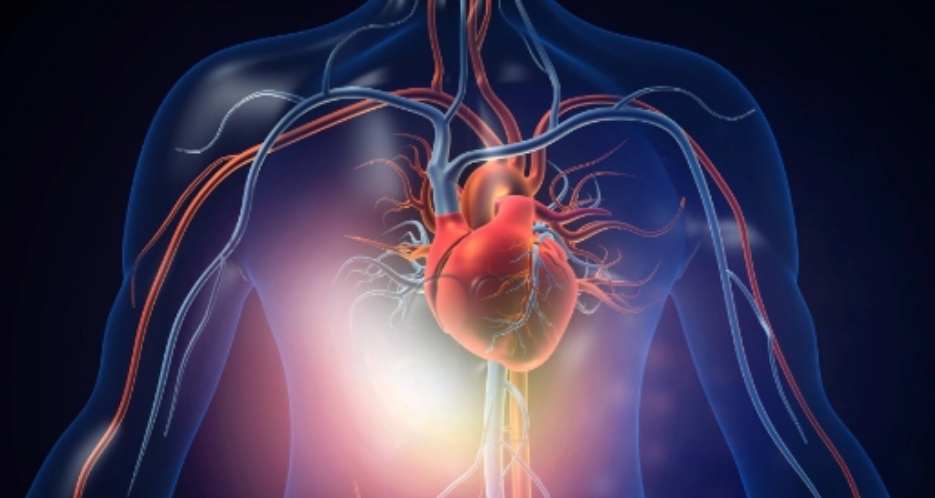
Health experts agree that focusing on prevention and daily habits can help support:
- Healthy blood pressure and circulation
- Balanced cholesterol levels
- Overall energy and vitality
Heart-Healthy Habits Backed by Science
Build Meals Around Whole Foods
A heart-supportive eating pattern emphasizes vegetables, fruits, whole grains, lean proteins, and healthy fats. These foods naturally provide fiber, antioxidants, and essential nutrients that support cardiovascular function.
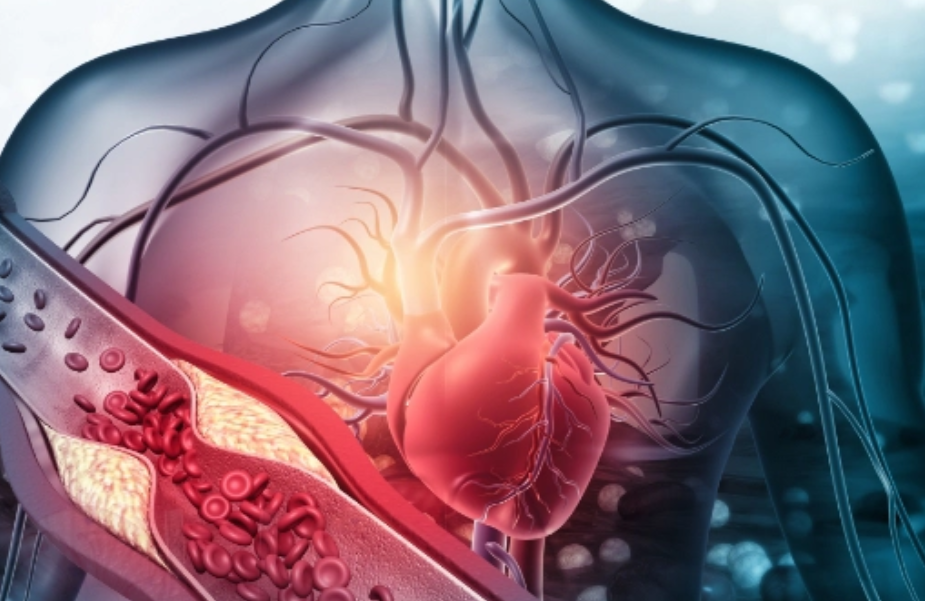
Helpful everyday tips:
- Choose whole grains like oats or brown rice more often
- Add colorful vegetables to meals and snacks
- Limit excess sodium and added sugars when possible
Stay Consistently Active
Regular movement helps support heart health by maintaining healthy weight, circulation, and metabolic balance. Aim for about 150 minutes of moderate activity per week, such as brisk walking, biking, or active play. Even short movement breaks during the day can add up.
Support Rest and Stress Balance
Chronic stress and poor sleep can influence heart health indirectly by affecting blood pressure, inflammation, and daily habits. Calming evening routines, time outdoors, and consistent sleep schedules can help support overall wellness.
Know Your Numbers
Routine checkups that include blood pressure, cholesterol, and blood sugar screenings provide valuable insight. Understanding your numbers allows you to work proactively with a healthcare professional.
How Your Heart Works and Why Nutrition Matters
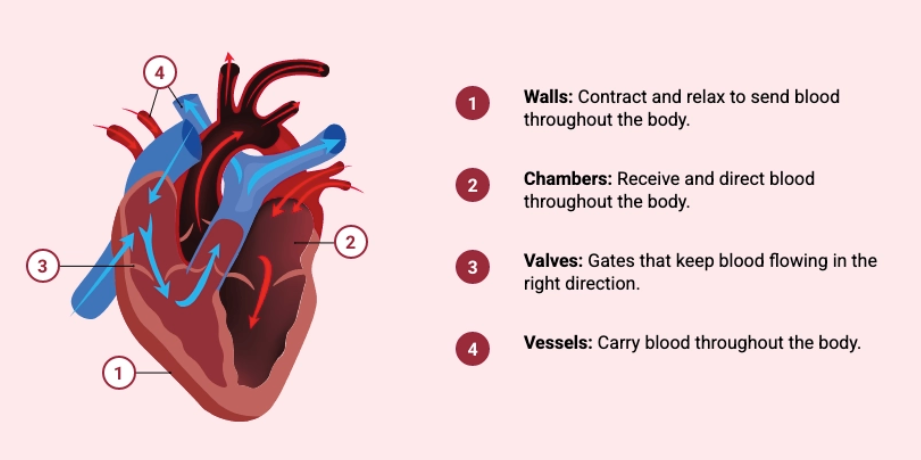
Your heart is a powerful muscle and the center of your circulatory system. It works continuously to keep blood moving throughout your body. This steady circulation delivers oxygen and nutrients to cells while helping remove waste products the body no longer needs.
Heart Health at a Glance
- Pumps oxygen-rich blood – Supplies every organ and tissue with oxygen needed for daily function
- Delivers essential nutrients – Transports vitamins, minerals, carbohydrates, fats, and proteins that support cellular health
- Helps remove metabolic waste – Carries carbon dioxide and byproducts away from tissues
- Supports healthy blood pressure and rhythm – Adjusts strength and pace based on activity, rest, and stress
- Works with blood vessels and valves – Keeps blood flowing efficiently and in the right direction
Because your heart never truly rests, it relies on consistent nourishment to do its job well. Nutrients such as soluble fiber, omega-3 fatty acids, antioxidants, and essential minerals are commonly associated with supporting cardiovascular function when included as part of a balanced diet and healthy lifestyle.
